About us
Home
about us
Who We Are
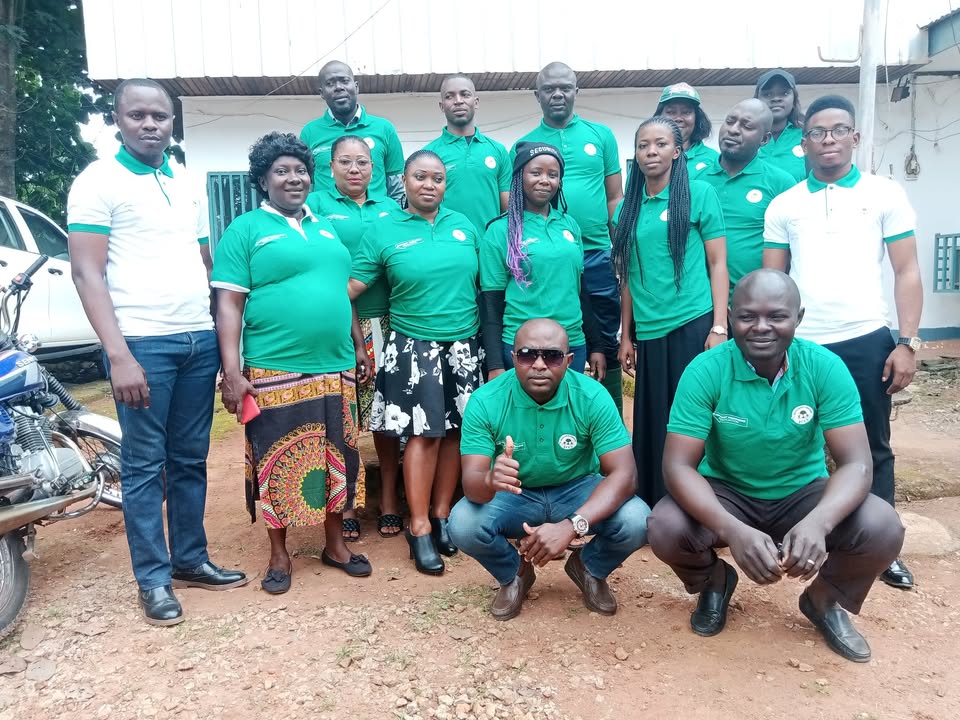
Action for Conservation of Endangered Species, "Now" Action for Conservation and Environmental Sustainability (ACES) is a grass root environmental organization established in 2019 and officially recognized as a non-profit in 2021. It was created by a group of passionate conservationists, environmentalists, and other fellows; inspired by the urgent need to address environmental challenges and the recognition of the interconnectedness between ecosystems and human wellbeing, ACES is dedicated to addressing the root causes of species extinction and habitat degradation while uplifting marginalized Indigenous People and Local Communities (IPLC) around Protected Area and fragile ecosystems in Cameroon.
Our Unique Approach
What sets ACES apart is our community-driven approach to conservation. ACES recognizes that sustainable solutions can only be achieved by engaging and empowering indigenous people and local communities who have a deep understanding of their ecosystems. By valuing and integrating community knowledge and interests, ACES ensures that conservation efforts are rooted in the needs, interests and aspirations of the people who depend on the land and resources
Vision: A future where wildlife, habitat and communities coexist in harmony. We envision a world where all species thrive in their natural habitats and where indigenous people and local communities play an integral role in the conservation and sustainable management of their ecosystems
Mission: To protect biodiversity and restore fragile ecosystems by championing community-led action. We partner with communities to build sustainable economies, defend land and cultural rights, advocate for equitable policies, and integrate traditional knowledge to holistically address the linked challenges of wildlife decline, climate change, and social injustice.
ACES OBJECTIVES
- Protect and restore critical habitats and species through community-led monitoring, collaborative management, and science-informed restoration.
- Build resilient local economies by developing sustainable enterprises—such as agroforestry and eco-tourism—that directly link community prosperity to conservation success.
- Secure community land rights and ensure inclusive, community-led decision-making by integrating traditional knowledge and defending against extractive threats.
- Enhance community and ecosystem resilience to climate impacts through nature-based solutions and advocacy for equitable, rights-based climate action.
- Improve public health by addressing environmental determinants like water security and zoonotic disease, strengthening the vital link between a healthy environment and healthy people.
- Empower the next generation of environmental leaders through hands-on education, fostering the knowledge and passion needed for long-term stewardship